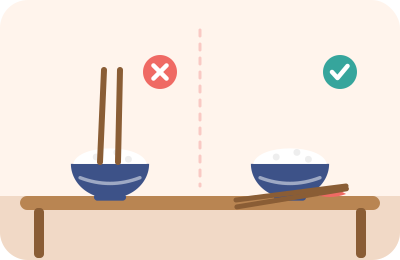
Is it bad to stand chopsticks in rice?
Avoid sticking chopsticks upright in your rice. When you pause, rest them on a chopstick rest or across the edge of a dish.
Search by keyword or category. Japanese words in romaji (sushi, onsen…) work too.
60 manners
Avoid sticking chopsticks upright in your rice. When you pause, rest them on a chopstick rest or across the edge of a dish.
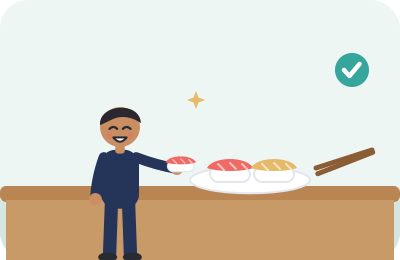
Yes. Nigiri sushi can be eaten with your fingers or with chopsticks; both are normal.
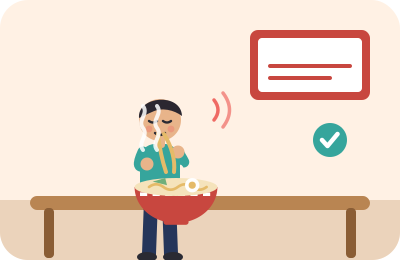
Slurping noodles is generally accepted, but you do not have to slurp. Eating quietly is fine too.
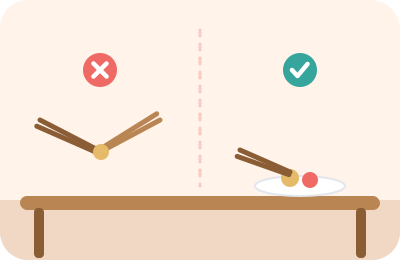
Avoid passing food directly from your chopsticks to someone else’s. Put it on a plate first and let them take it.
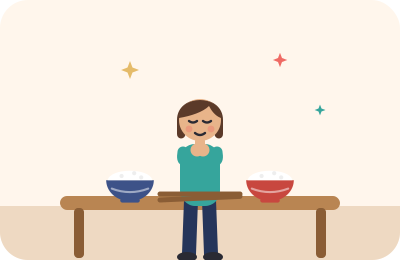
"Itadakimasu" before eating and "gochisosama" afterwards are widespread customs, not laws or rules. Saying them is a nice way to show appreciation.
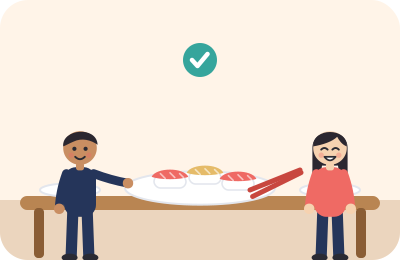
Do not eat straight from the shared plate: take a portion onto your own small plate first. Use the serving chopsticks if there are any.
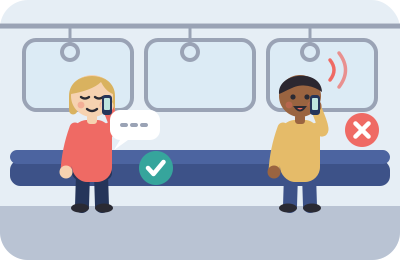
Phone calls on trains and buses are generally avoided. Keep your phone on silent ("manner mode").
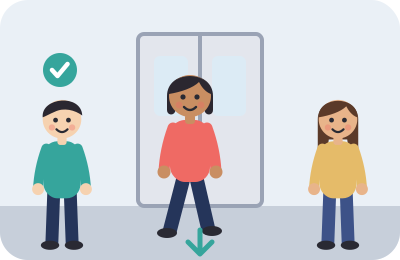
Yes. Wait to the sides of the door and board only after people have finished getting off.
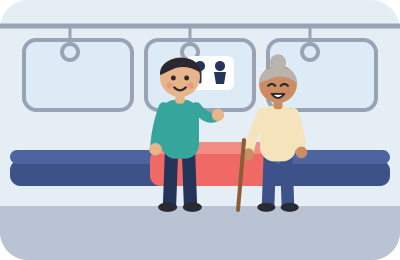
Priority seats are for older people, people with disabilities, pregnant people, those with small children and others who need them. Give them up when someone needs one.
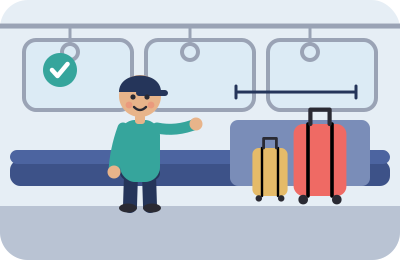
Keep luggage where it does not get in others’ way. On the Tokaido Shinkansen and some other lines, bags over 160 cm in total dimensions need a reservation.
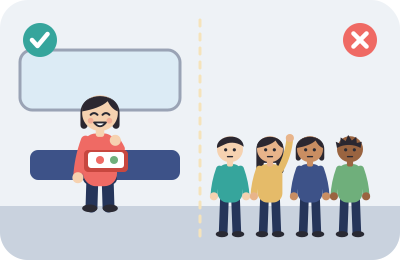
Eating ekiben (station bento) is common on the Shinkansen and limited express trains. On commuter, local and subway trains, people generally avoid eating.
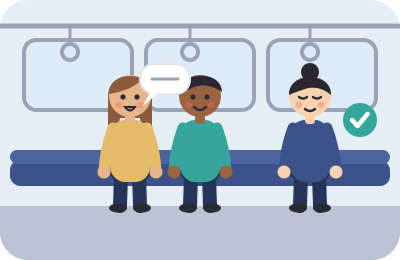
Talking on trains and buses is fine, but people usually keep their voices low so others are not disturbed.
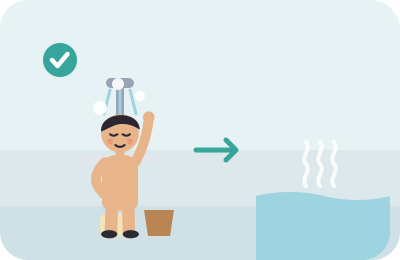
Yes. Wash at the washing area and rinse off all the soap before getting into the bath.
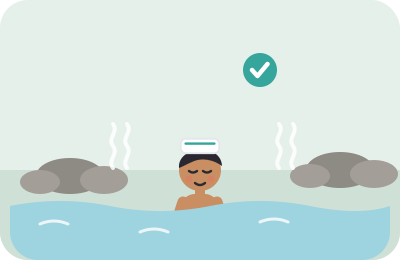
Keep your towel out of the bathwater. Rest it on your head or put it outside the bath.
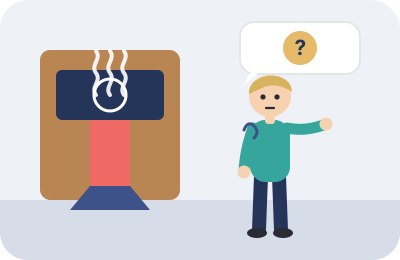
It depends on the facility. Some turn tattooed guests away and some welcome them, so check in advance.
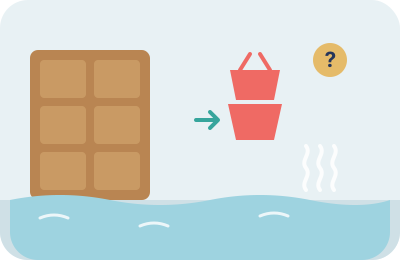
At typical onsen and public baths you bathe naked, without a swimsuit. Some facilities, however, require a swimsuit or a special bathing garment.
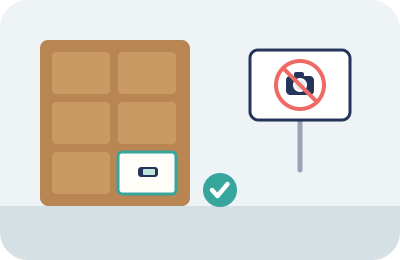
No. Taking photos in changing rooms and bathing areas is strictly prohibited to protect other people’s privacy. Keep your phone in the locker.
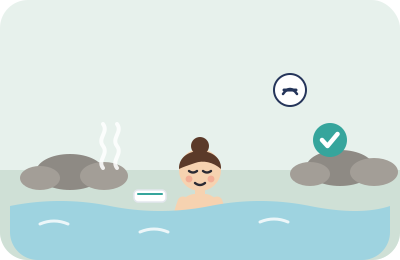
Tie up long hair so it stays out of the water. Do not swim or splash; enjoy the bath quietly.
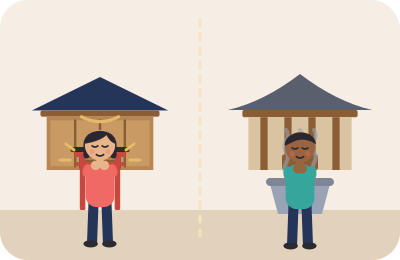
No. At shrines the basic form is two bows, two claps and one bow; at temples you put your hands together quietly without clapping.
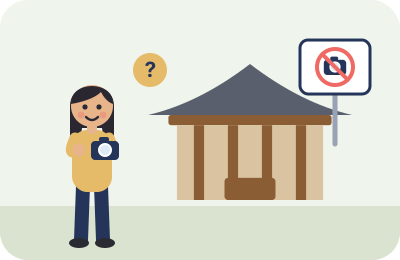
It depends on the spot. Most grounds allow photos, but inside main halls and of Buddhist statues it is often prohibited.
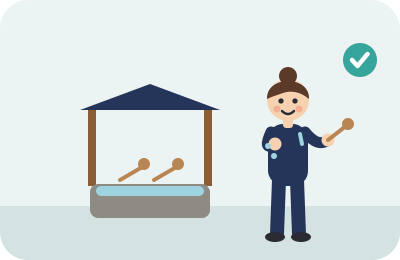
It is where you purify your hands and mouth before praying. Never touch the ladle with your lips; rinse your mouth with water poured into your palm.
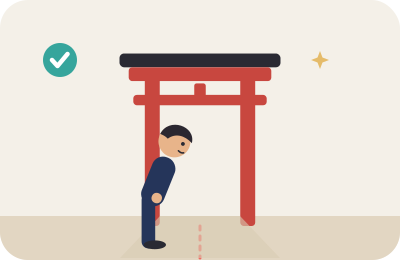
Many people bow lightly before a torii gate and walk slightly to the side of the path’s centre. It is a gesture of respect, not a rule.
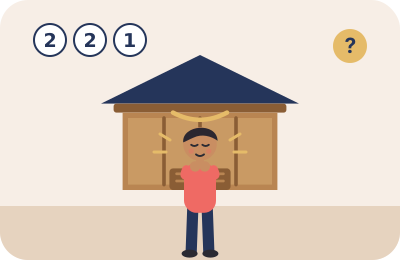
"Two bows, two claps, one bow" is the basic form at many shrines, but some shrines have their own style. At Buddhist temples, people do not clap.
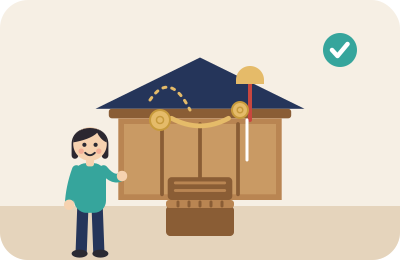
There is no set amount for an offering (osaisen). Any amount is fine; it is given as a gesture of your feelings.
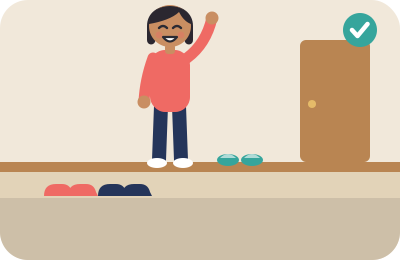
Yes. In most Japanese homes you take off your shoes at the entrance (genkan) before stepping inside.
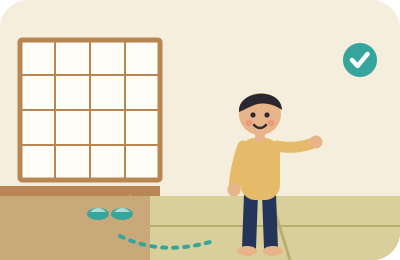
Take off your slippers before entering a tatami room. Walk on tatami in socks or bare feet.
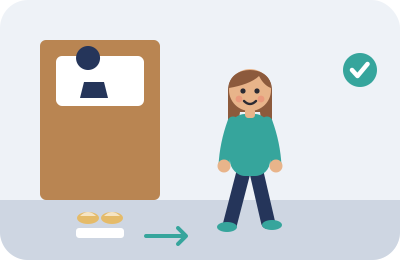
Toilet slippers are only for inside the toilet. Take them off when you leave and switch back to your own slippers.
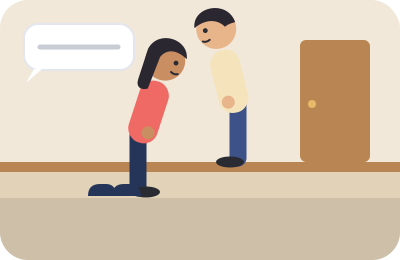
When stepping inside, people usually say "ojamashimasu", and when leaving, "ojamashimashita".

It is not required, but many people bring a small gift such as sweets when visiting someone’s home.
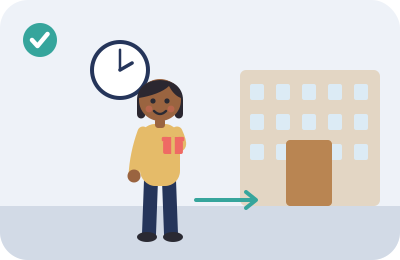
Punctuality is valued, but when visiting a home many people avoid arriving too early and aim to arrive around the agreed time.

Yes, when greeting or thanking someone. For visitors, a light nod or slight bow (eshaku) is almost always enough.
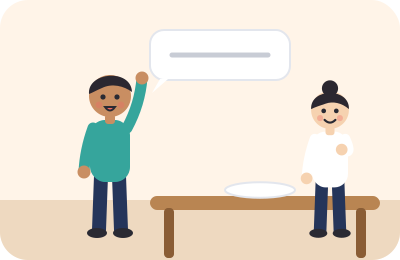
No. "Sumimasen" is also used to get someone’s attention, to ask people to let you pass and to say thank you.

Everyday greetings in Japan usually involve little physical contact such as hugs or handshakes. A light bow is the safe choice.

Keigo is polite language used towards customers, superiors and people you meet for the first time. As a visitor, plain polite forms ("desu/masu") or English convey your intentions perfectly well.
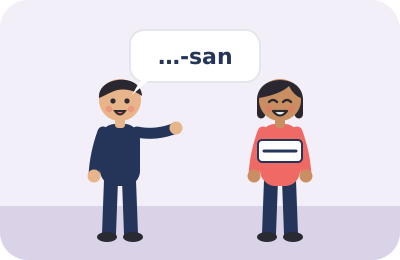
"-san" is a polite suffix added to another person’s name, regardless of gender or age. You never add it to your own name.

Receive a business card with both hands, look at it carefully, and keep it on the table during the meeting.
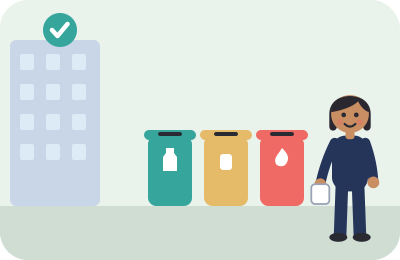
Public bins are scarce in Japan, so carry your trash with you and throw it away when you find a suitable bin, or take it back to where you are staying.
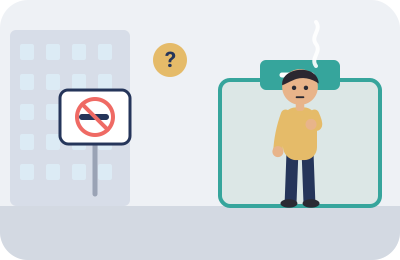
Indoor places used by many people are generally non-smoking by law. Outdoors, local ordinances ban street smoking in many areas, sometimes with fines. Use designated smoking areas.
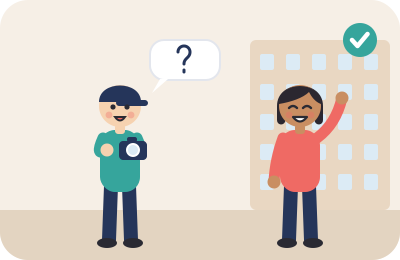
Ask first before taking a clear photo of someone you do not know. In particular, avoid following children or people in kimono to photograph them.
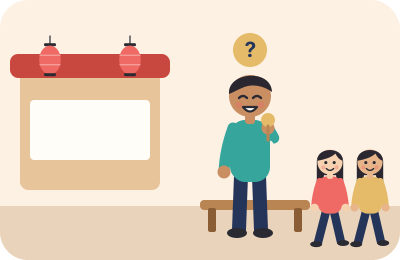
It is not banned nationwide by law, but in crowded places people are expected to stop and eat, out of consideration for others. Some tourist areas ask visitors to refrain.
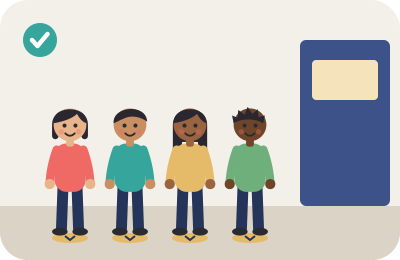
At stations, popular shops and events, join the end of the line following signs or floor markers. Cutting in line is not done.
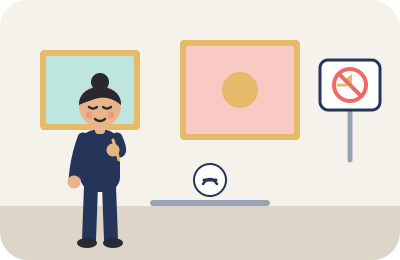
In exhibition rooms, view quietly and never touch the works. Photography and note-taking rules vary by facility, so follow the signs.

Tipping is generally not customary in Japan at restaurants, in taxis, at hotels and so on. A word of thanks is enough.
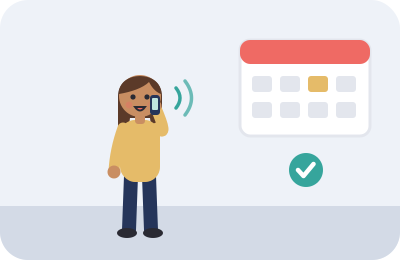
If you cannot go, contact the restaurant and cancel as early as possible. Let them know if you are running late, too.
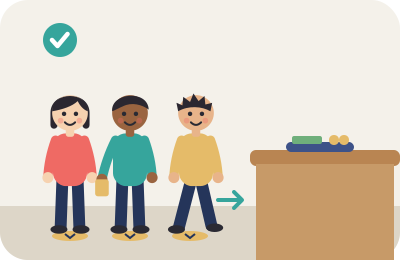
Line up in one row along the footprints on the floor or the "please line up here" signs, and go to the register in turn.
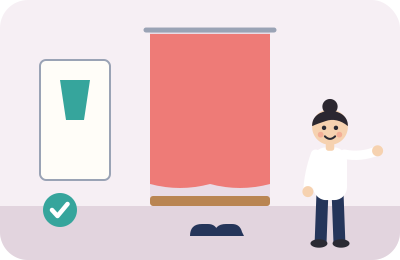
Ask a staff member when you want to try something on. In many fitting rooms you take your shoes off before stepping in.

Keep quiet in corridors, lobbies and other shared spaces, especially at night. Whether you may leave your room in a yukata or slippers depends on the facility.
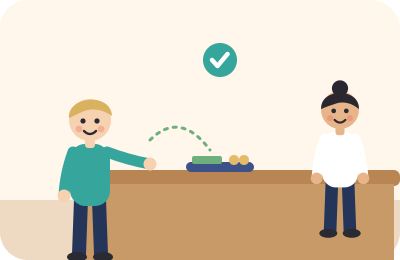
If there is a tray at the register, people usually put their money on it. It is not a rule, though, and staff sometimes take money by hand.
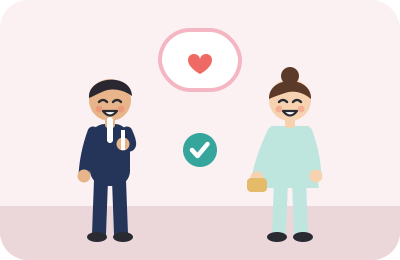
Guests usually dress formally. Women avoid white, the bride’s colour, and men often wear a dark suit with a white or light-coloured tie.

Black or other subdued colours are usual. Avoid shiny decorations, flashy accessories, fur and animal prints.

Never hand over bare cash: put it in a special gift envelope and offer it with both hands. For weddings, new banknotes are usually used.
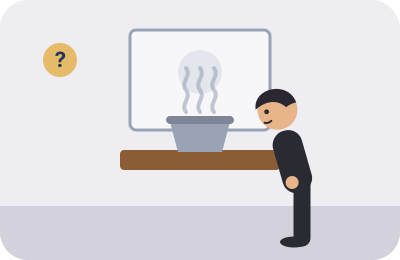
How many times you offer incense and the exact steps differ by Buddhist school. If unsure, simply follow the person ahead of you, the priest or the chief mourner.

There are no legal rules, but some people avoid items linked to bad luck, such as sets of 4 or 9, or knives as wedding gifts. Attitudes are changing.

Reply to wedding invitations as early as possible before the deadline. Funerals usually have no invitation; if you cannot attend, offer condolences in a way that does not burden the family.
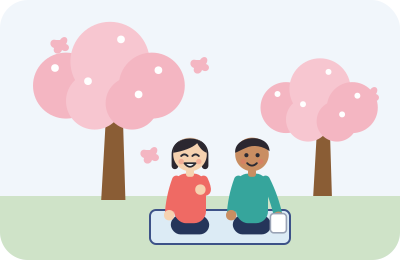
Spots are first come, first served, and taking more space than you need is bad manners. Take your trash home, and never break branches or pick blossoms.
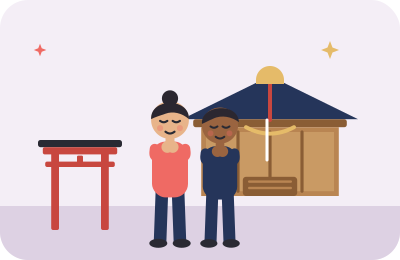
Hatsumode is the first visit of the year to a shrine or temple. You pray as usual: at shrines two bows, two claps and one bow; at temples, palms together quietly.
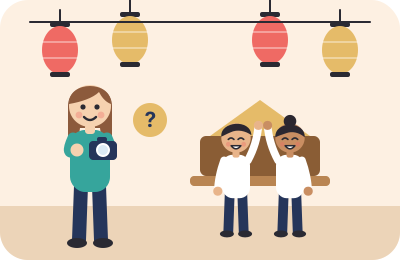
At most festivals you can take photos while watching, but do not get in the way of processions or rituals, and follow the organisers’ guidance.
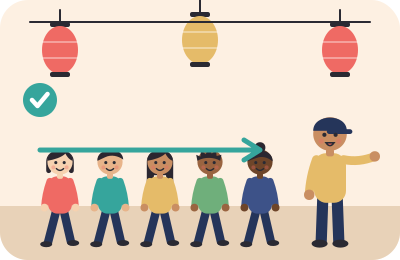
At crowded festivals, follow the directions of staff and security guards, and do not stop suddenly or walk against the flow.

Spot-saving rules differ by event. Some have paid seating or ban or limit saving spots, so check the official information.

Obon is an event to welcome ancestors’ spirits home and honour them. Most areas observe it in mid-August, some in mid-July.