Can you eat on trains in Japan?
In short
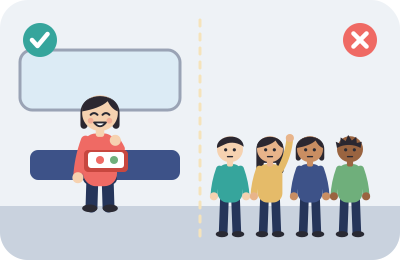
It dependsEating ekiben (station bento) is common on the Shinkansen and limited express trains. On commuter, local and subway trains, people generally avoid eating.
When does this apply?
Shinkansen and limited express trains have forward-facing seats with tables, and many travellers enjoy an ekiben. Some even have a food trolley. Commuter trains and subways get crowded and are not considered places for a meal.
Why?
On short-distance trains many people stand, and smells or spilled food easily bother others. On long-distance trains, eating an ekiben is part of the pleasure of the journey.
What to do
- Enjoy an ekiben on the Shinkansen or limited express
- Go easy on strong-smelling food
- Take your trash with you or use the bins in stations or on board
Better to avoid
- Eat a meal on a crowded commuter train or subway
- Leave spilled food or drinks behind
Exceptions and differences
Even on local trains, some people take a sip of water or tea. Some sightseeing trains are designed for eating and drinking.
Manners can differ by region, facility and generation. Local signs and staff instructions come first.
Check with a quiz
Which is true about eating on trains?
Choose an answer
Sources
Last checked:
This text was written with AI assistance and has not yet been proofread by a person.